



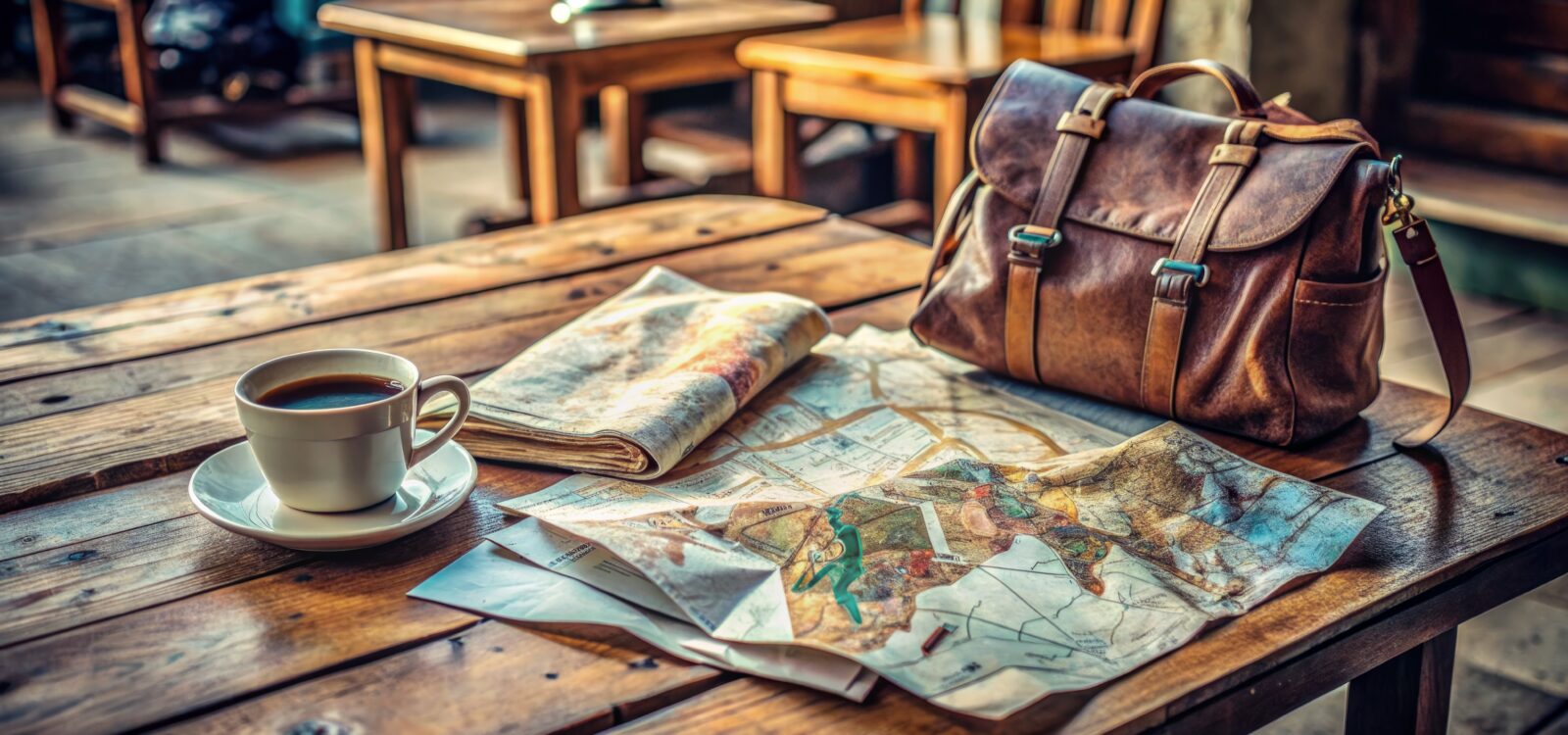
Traveling through Europe is a dream for many, but it can be a financial challenge. However, with careful planning and some smart strategies, it is possible to explore the continent without breaking the bank. Here are some practical tips for saving money during your travels in Europe.
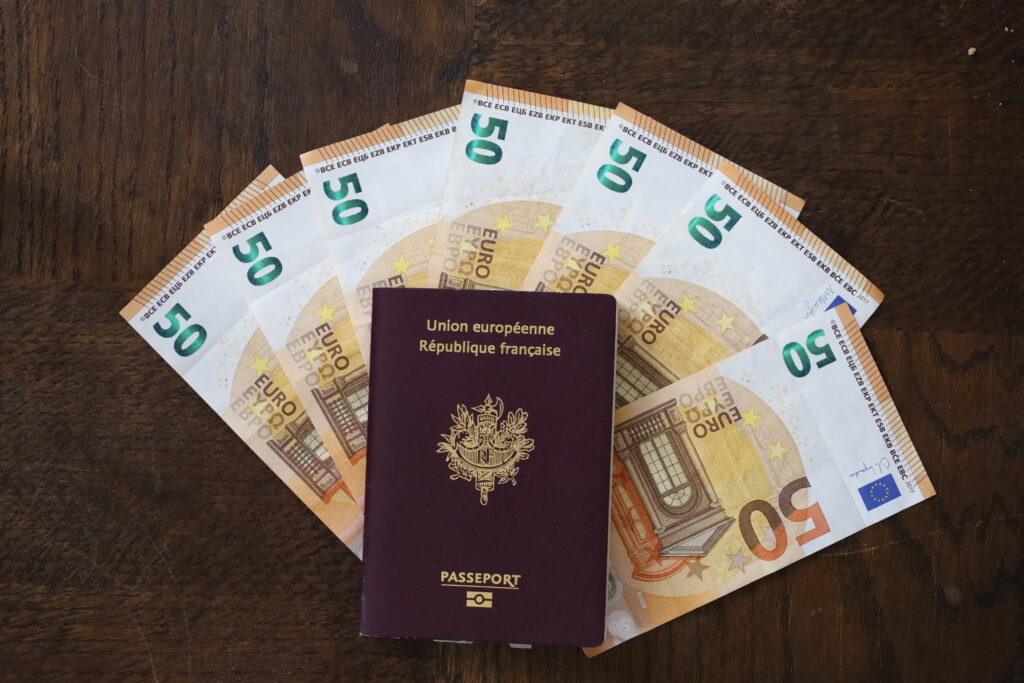
1. Plan Ahead
Booking flights, trains, and accommodations in advance can result in significant savings. Airfares and train tickets tend to be cheaper when purchased several months ahead of time. Use price comparison websites and fare alerts to find the best deals.
2. Travel Off-Season
Traveling outside the peak season (usually summer and holidays) can drastically reduce costs. Prices for flights, hotels, and tourist attractions are generally lower during spring and fall. Additionally, you’ll avoid the crowds, making for a more pleasant travel experience.
3. Use Alternative Accommodations
Hotels can be expensive, especially in major cities. Consider alternative options like hostels, Airbnb, and homestays. Modern hostels offer private rooms and excellent facilities for a fraction of the price of hotels. Airbnb can be a great option, especially for longer stays, allowing you to save on food by cooking your own meals.
4. Take Advantage of Public Transportation
Public transportation in Europe is generally efficient and economical. Instead of taxis or private transport services, use buses, subways, and trains to get around. Many cities offer transport passes that allow unlimited travel for a certain period, which can be cheaper than buying individual tickets.
5. Eat Like a Local
Tourist restaurants tend to be more expensive. To save money, opt to eat where the locals eat. Markets, bakeries, and small restaurants outside the tourist areas offer delicious and authentic food at much lower prices. Additionally, many street markets and supermarkets sell fresh produce and ready-made meals for a fraction of the price of restaurants.
6. Explore Free Attractions
Many European cities offer a variety of free attractions, including museums, art galleries, parks, and cultural events. In some cities, museums have free entry on certain days of the week or month. Research free attractions at your destination and plan your visits to take advantage of these opportunities.
7. Use Tourist Discount Cards
Many European cities offer tourist discount cards, which include free or discounted entry to various attractions, as well as unlimited public transport. Examples include the Paris Pass, the Roma Pass, and the Berlin Welcome Card. Although these cards have an initial cost, they can result in significant savings if you plan to visit several paid attractions.
8. Travel by Train
Traveling by train in Europe can be an economical and convenient option, especially for short and medium distances. Research and book tickets in advance to get reduced fares. Additionally, consider train passes like the Eurail Pass, which allows unlimited travel within a specific period and can be a great option for those planning to visit multiple countries.
9. Enjoy Nature
Europe is rich in stunning natural landscapes, many of which can be explored for free. National parks, hiking trails, and bike paths offer incredible opportunities for outdoor activities at no cost. Pack a picnic and spend a day exploring the continent’s natural beauty.
10. Save on Bank Fees
Currency exchange and ATM withdrawal fees can add up significantly over the course of a trip. To avoid these fees, consider opening an international bank account or using credit cards that do not charge foreign transaction fees. Additionally, whenever possible, withdraw cash in local currency in larger amounts to minimize withdrawal fees.
11. Research and Compare Prices
Before purchasing anything, whether it’s an attraction ticket, a meal, or a souvenir, research and compare prices. Apps and price comparison websites can help find the best deals. Additionally, don’t hesitate to ask for discounts or negotiate prices, especially in markets and with local vendors.
12. Join Free Tours
Many cities offer free tours conducted by local guides. These walking tours are an excellent way to learn about the history and culture of a place without spending money. While guides usually accept tips, participation is voluntary and you can contribute whatever amount you feel is fair.
13. Bring Your Own Water Bottle
Buying bottled water can be expensive and harmful to the environment. Bring a reusable water bottle and fill it whenever possible. In most European countries, tap water is safe to drink, which can result in significant savings over time.
14. Stay Alert for Promotions and Special Offers
Keep informed about promotions and special offers on flights, accommodations, and attractions. Sign up for newsletters from airlines, travel agencies, and booking sites to receive notifications about exclusive deals. Travel apps can also alert you to last-minute promotions.
Conclusion: How to Save Money During Your Travels in Europe
Traveling through Europe doesn’t have to be expensive. With planning, research, and some smart strategies, you can explore this incredible continent without breaking your budget. From booking in advance and traveling off-season to taking advantage of alternative accommodations and public transportation, there are numerous ways to save money. Remember to always look for free attractions, eat like a local, and make use of available tourist resources. This way, you can enjoy a rich travel experience without worrying about high costs. Safe travels!
